Hyperbaric therapy: an advanced way to heal
From chronic wounds to neurological conditions: how hyperbaric oxygenation works and who it is a real medical option for.
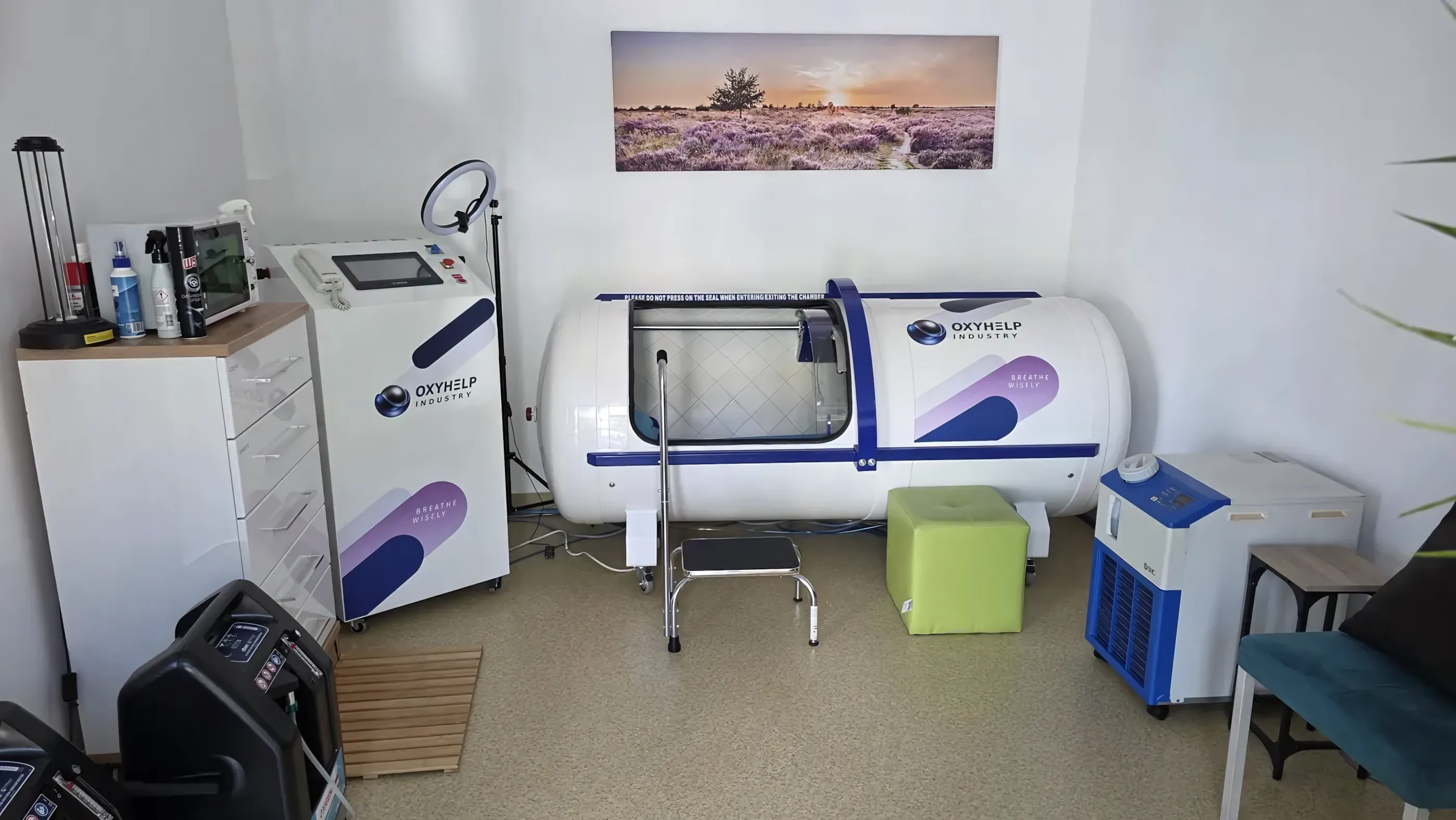
Hyperbaric therapy is an innovative medical method that involves exposing patients to hyperbaric oxygenation at pressures higher than normal atmospheric pressure. This form of treatment has been used successfully for a variety of conditions, from chronic wounds to neurological problems.
How hyperbaric therapy works
The procedure involves placing the patient in a special chamber called a hyperbaric chamber. In this chamber, the pressure is increased and the patient receives a higher concentration of oxygen, dissolved directly into the blood plasma. This approach has several benefits, because oxygen is an essential element for the body's healing process.
Conditions treated with hyperbaric therapy
1. Chronic wounds
Hyperbaric therapy has shown effectiveness in healing chronic wounds, such as diabetic ulcers and pressure sores. The additional oxygenation promotes the growth of healthy tissue and accelerates the healing process.
2. Neurological conditions
Patients with neurological conditions, such as strokes or traumatic brain injuries, may benefit from hyperbaric therapy. Oxygenation at high concentrations can support the recovery and regeneration of affected nerve cells.
3. Infectious diseases
Hyperbaric therapy also plays a role in treating certain infections, because oxygenation at increased pressures can destroy anaerobic bacteria and can enhance the action of antibiotics.
4. Skin conditions
People with dermatological conditions, such as psoriasis or dermatitis, may notice significant improvements through hyperbaric therapy. Oxygenation helps regenerate skin cells and reduces inflammation.
The hyperbaric therapy process
1. Preparation session: The patient is informed about the procedure and receives the necessary equipment. 2. Entering the hyperbaric chamber: The patient enters a special chamber and is exposed to the increased pressure. 3. Therapy session: The patient breathes in the oxygen-enriched environment, and the pressure in the chamber is maintained at the set level. 4. Exiting the hyperbaric chamber: After the session ends, the patient returns to normal atmospheric pressure.
Risks and contraindications
Although hyperbaric therapy is considered safe, there are certain risks and contraindications. People with claustrophobia or hearing problems may experience difficulties. It is crucial that the therapy be administered under medical supervision and in a specialized setting.
Conclusion
Hyperbaric therapy represents a promising option for treating various conditions, offering a non-invasive and effective approach.
---
Schedule an evaluation for hyperbaric therapy. See the wellness packages.