CryoMedicaPermanent hair removal Permanent hair removal

Permanent hair removalPrimelase® 4800W.Your skin, no compromise.

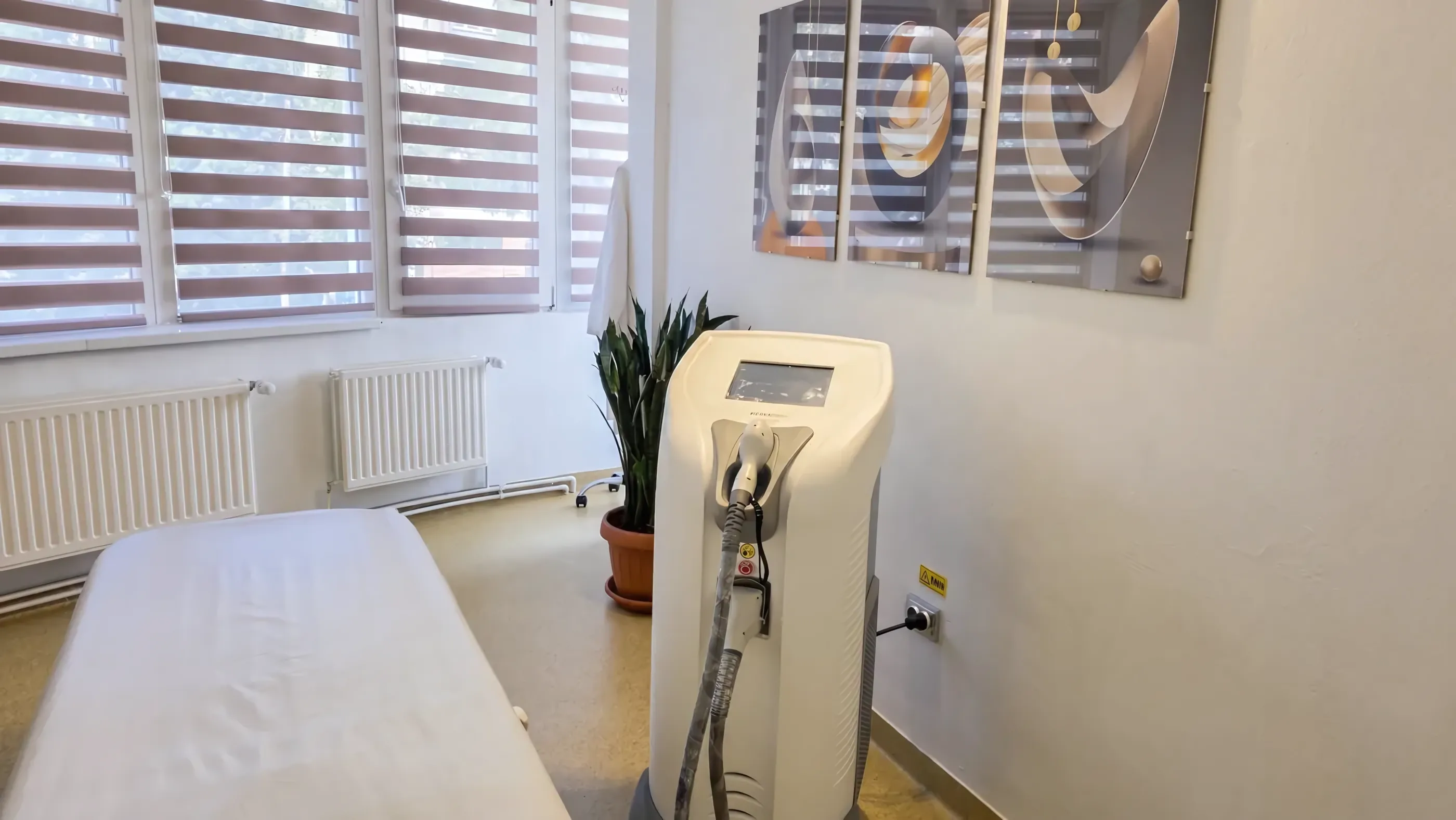
Premium technology for permanent hair removal: Primelase Excellence 4800W, a top-tier medical laser, with no significant pain, compatible with every skin type.

Equipment Primelase Excellence · 4800W medical diode
Duration 30–60 min · depending on zone
From 926 lei
Booking 0757 726 532
Permanent hair removal

Permanent hair removal · a clinical protocol with visible results.

Primelase Excellence: 4800W medical diode, FDA + CE certified. A technology compatible with all skin phototypes, including tanned skin. Sessions are fast, comfortable (cooling integrated into the applicator) and produce a progressive reduction of the hair follicle. A medically authorised treatment, with a protocol per zone and individual phototype. Zero hidden costs: premium technology means definitive results in 6–8 sessions.
Want an individual evaluation for the right treatment? We reply in <30 min on WhatsApp.
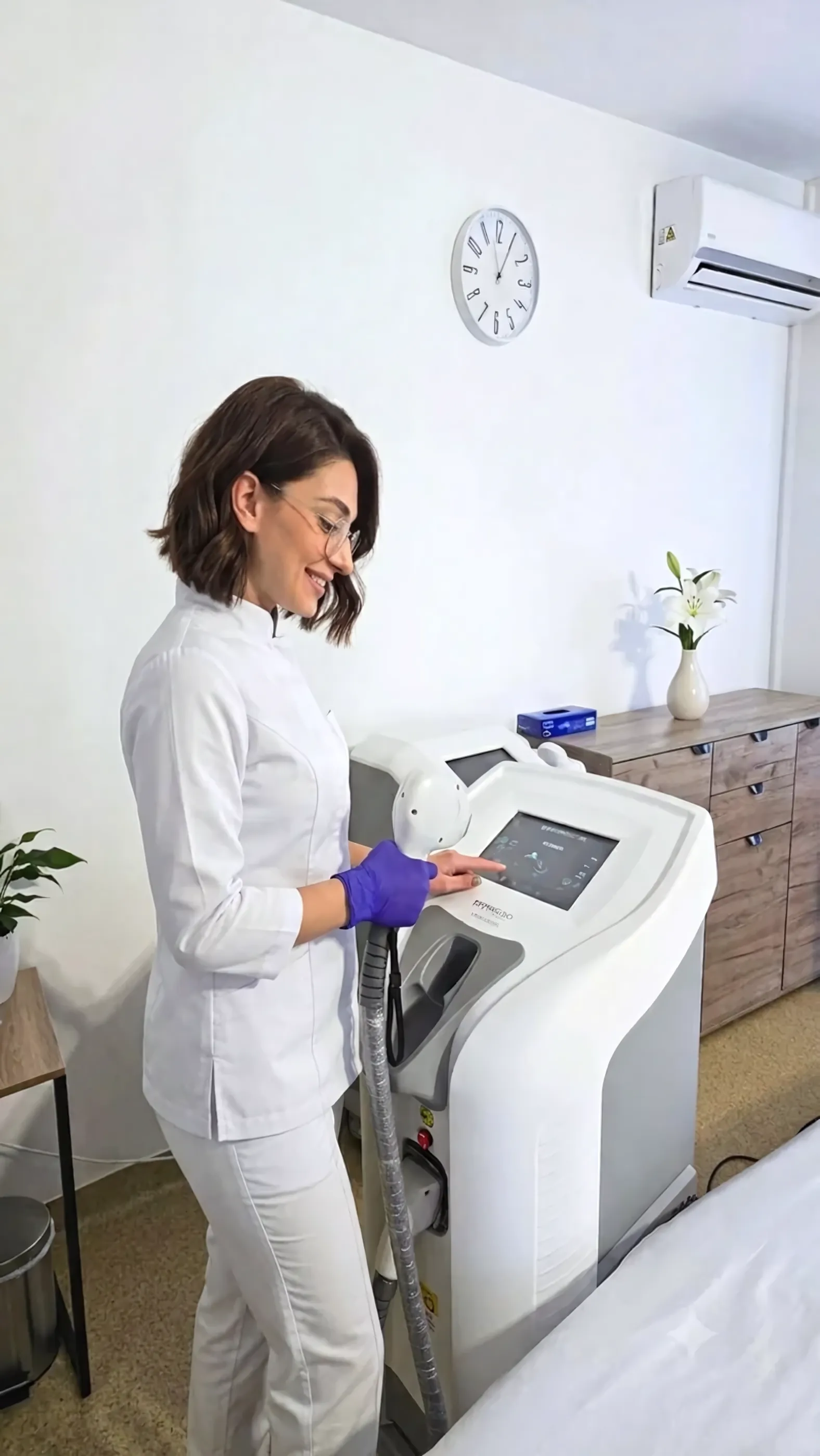
CryoMedica specialist preparing the Primelase permanent hair removal device at the Cluj clinic.
Primelase Excellence · 4800W medical diode
Benefits

What you get.

  • 4800W medical diode · the most powerful laser technology available
  • FDA + CE certified · top medical standard
  • Compatible with any skin phototype (I–VI), including tanned skin
  • Distinct packages for women and men
  • Integrated cooling, no significant pain
  • Over 80% hair reduction in 6 sessions
Prices · Permanent hair removal

Full prices for women and men.

More than 30 individual zones plus the 50%-off combo subscriptions (Smooth Light, Glam Touch, Ultimate Femme, Gentleman Basic, Upper Body), with the free initial evaluation included, are on the pricing page. The combo subscriptions can be paid in 2 equal instalments.

Technology · Primelase Excellence

Medical power 4800W, constant cooling Crystal Freeze.

Primelase Excellence is a medical laser platform with a peak power of 4800W, certified FDA and CE, considered the reference standard for photo-epilation. The distinction between a medical laser and cosmetic equipment (IPL, salon devices) determines patient safety and the quality of results.

Medical diode · 4800W

High energy delivered in ultra-short pulses. Absorption is selective on the melanin in the hair shaft (selective photothermolysis), destroying the follicle without affecting the adjacent tissue. Unlike IPL, the wavelengths are controlled, for a reduced risk of hyperpigmentation or superficial irritation.

Crystal Freeze · 5°C cooling

The applicator integrates constant contact cooling, keeping the treated surface at roughly 5°C throughout the session. It allows higher energies without discomfort, removes the need for anaesthetic creams and protects the surface layer of the skin, including in delicate zones (underarms, intimate area, face).

Compatible with phototypes I–VI

The laser parameters are adjustable individually for phototype, follicular density and zone. The treatment is safe on tanned skin (with a 7–10 day break after sun exposure) and effective on fine hair, coarse hair and deep roots, with distinct protocols for women and men.

Annual calibration · medical standard

Sinclair equipment undergoes annual technical calibration procedures. We treat the technology as a medical instrument: every device operates at the parameters specified by the manufacturer for maximum efficiency and total safety.

Results · Timeline

How your skin evolves, session by session.

The laser acts exclusively on the follicles in the anagen phase (active growth). Because hairs grow in different cycles, sessions are scheduled at intervals of 4–6 weeks in order to capture all the active follicles.

  1. After the first session

    10–20 days: the treated hairs gradually fall out of the follicle. Only the hairs in the active growth phase respond at this step, and the rest will be targeted in the following sessions.

  2. After 3–4 sessions

    A visible reduction in density, slower growth, thinner hairs. The treated zones become uniform, and the interval between hair-removal sessions increases significantly.

  3. After 6–8 sessions (full protocol)

    Over 80% hair reduction in most cases. Thin residual hairs, smooth skin, disappearance of folliculitis. For the face, the intimate area and the back, up to 8 sessions are usually recommended.

  4. Periodic maintenance

    20–30 years: one session a year. 30–50 years: one session every two years. Over 50: one session every three years. For teenagers: 6 → 8 → 10 → 12 months, then annually. Individual hormonal triggers can reactivate isolated follicles.

A realistic note: laser hair removal is a method of permanent reduction of hair. Thin hairs can remain or new hairs can appear over time, but the density is greatly reduced compared with the initial state.
Protocol · Before and after the session

Preparation & aftercare. The essential rules.

Before the session

  • Shave the zone with a razor 12–24h beforehand (the laser needs the hair shaft inside the follicle).
  • Do not pluck hairs with wax, an epilator or tweezers for at least 3–4 weeks beforehand.
  • Avoid direct sun and tanning-bed exposure for 7–10 days beforehand.
  • On the day of the session: clean skin, with no rich creams, oils or perfume.
  • Moisturise the skin in the preceding days, but keep it dry at the time of treatment.

After the session

  • Avoid direct sun exposure for 48–72h and use SPF 50.
  • No tanning bed, sauna, hot baths or intense sport for 24–48h.
  • Moisturise with a soothing cream (aloe vera, panthenol).
  • Avoid exfoliants, retinoids, scrubs and irritating products for a few days.
  • Let the hairs fall out naturally over 10–20 days, and do not pluck them.

Medication & contraindications

The treatment is not recommended in cases of:

  • Pregnancy, breastfeeding.
  • Active dermatological conditions in the treated area.
  • Oncological conditions.

Required pauses after:

  • Antibiotics / anti-inflammatories: 7 days.
  • Aspirin in significant amounts: 7 days.
  • Accutane / Roaccutane: at least 2 months.

Let us know if you are taking photosensitising treatments: retinoids, tetracycline, doxycycline, ciprofloxacin, sulfamethoxazole, amiodarone, furosemide, hydrochlorothiazide, naproxen, piroxicam, oral antifungals (terbinafine, itraconazole) or certain antihistamines and neuroleptics.

Science · Clinical studies

What the research shows about the diode laser.

The diode laser is internationally recognised as the standard for the permanent reduction of hair growth. Its mechanism of action, selective photothermolysis on the melanin of the hair shaft, has been documented in the dermatological literature for over two decades.

  • Clinical study · 73 patients · 805 nm diode

    An evaluation of the efficiency of diode-laser hair removal across several sessions. Results: a statistically significant reduction in the number of hairs, a progressive decrease in density after each session, minimal adverse reactions (temporary erythema and oedema). Efficiency confirmed including on darker phototypes.

  • Meta-analysis · 13 randomised studies · 652 participants

    A synthesis of several laser technologies for hair removal. The treatment produces a significant reduction in the number of hairs, stable results at 3 and 6 months post-treatment, and minimal, temporary side effects.

  • Long-term follow-up · 20 months · ~800 nm diode

    A study with extended follow-up: a significant reduction in hair growth, stable results after several sessions, a good safety profile for the majority of patients.

Individual results can vary depending on phototype, hair colour, hormonal balance and the protocol used. The technical data for the Primelase Excellence platform is published by the manufacturer (Sinclair).

FAQ · Permanent hair removal

Direct answers.

The questions we get most often about this treatment. Still have one? Message us on WhatsApp.

Standard between 6 and 8 sessions, at intervals of roughly 6 weeks. Our standard packages include 6 sessions, enough for an over-80% reduction in hair in most cases. For the face, the intimate area or the back, up to 8 sessions are usually recommended for optimal results.

Primelase integrates the Crystal Freeze system, which keeps the applicator at roughly 5°C throughout the session. Most clients describe the sensation as a slight tingling or localised warmth, and no anaesthesia is used. Comfort is high even on delicate zones (underarms, intimate area) or coarse-hair zones (back, chest for men).

Yes. The 4800W Primelase technology is safe for all phototypes (I–VI), including tanned skin. We still recommend avoiding direct sun exposure for 7–10 days before the session, and SPF 50 for 48–72 hours afterwards.

Depending on the zone: ~5 min for underarms/upper lip, 30–45 min for medium zones, up to 60 min for full legs, 60–75 min for full body. All intervals include skin preparation and applicator cooling.

Primelase Excellence is a premium medical laser with FDA and CE certification and 4800W of power, available in our clinic as a top-tier medical laser technology. A medical diode with selective absorption into melanin, safe for all skin phototypes, including tanned skin. Plus: zero consumable costs for us → stable prices for you.

Shave the zone with a razor 12–24h beforehand (the laser needs the hair shaft inside the follicle). Do not pluck hairs with wax, an epilator or tweezers for at least 3–4 weeks beforehand. Avoid sun and tanning-bed exposure for 7–10 days before. On the day of the session: clean skin, with no rich creams, perfumes or oils.

Avoid direct sun exposure for 48–72h and use SPF 50. No sauna, tanning bed, hot baths or intense sport for 24–48h. Moisturise the area with a soothing cream (aloe vera, panthenol). Avoid exfoliants, retinoids or scrubs for a few days. Let the hairs fall out naturally over 10–20 days.

Possible mild erythema (redness) in the first 1–2 hours after treatment, which resolves on its own. Contraindications: pregnancy, breastfeeding, active dermatological conditions in the treated area, oncological conditions, photosensitising medication. Pauses: 7 days after antibiotics/anti-inflammatories; at least 2 months after Accutane/Roaccutane. We review your medical history during the initial consultation.

Yes, although hormonal factors can influence hair growth and may require additional maintenance sessions. We discuss the individual plan during the free initial evaluation.

For teenagers: first maintenance at 6 months, then gradually less often (8, 10, 12 months). Adults: 20–30 years, annually; 30–50 years, every two years; over 50, every three years. Individual hormonal triggers can reactivate follicles, so periodic maintenance keeps the result.

Yes. By progressively destroying the follicle, the laser is recognised as a medical method for treating chronic folliculitis and post-shaving irritation (common on the neck, beard, intimate area). The inflammation disappears once the root is eliminated.

IPL emits a diffuse, broad-spectrum light with limited power and reduced efficiency on darker phototypes or fine hair. Primelase uses a 4800W laser diode with selective absorption into melanin: higher energy delivered in ultra-short pulses, fewer sessions, safety across phototypes I–VI.

Yes, only the combo subscriptions (Smooth Light, Glam Touch, Gentleman Basic, etc.) can be paid in 2 equal instalments. Individual subscriptions must be paid in full to benefit from the 50% discount.

Contact & Location

Start with an individual evaluation.

Find us at Calea Turzii 137A, right by the Sigma roundabout in Cluj-Napoca. Bookings by phone or WhatsApp; the initial evaluation is free and shapes the right plan for your goal.